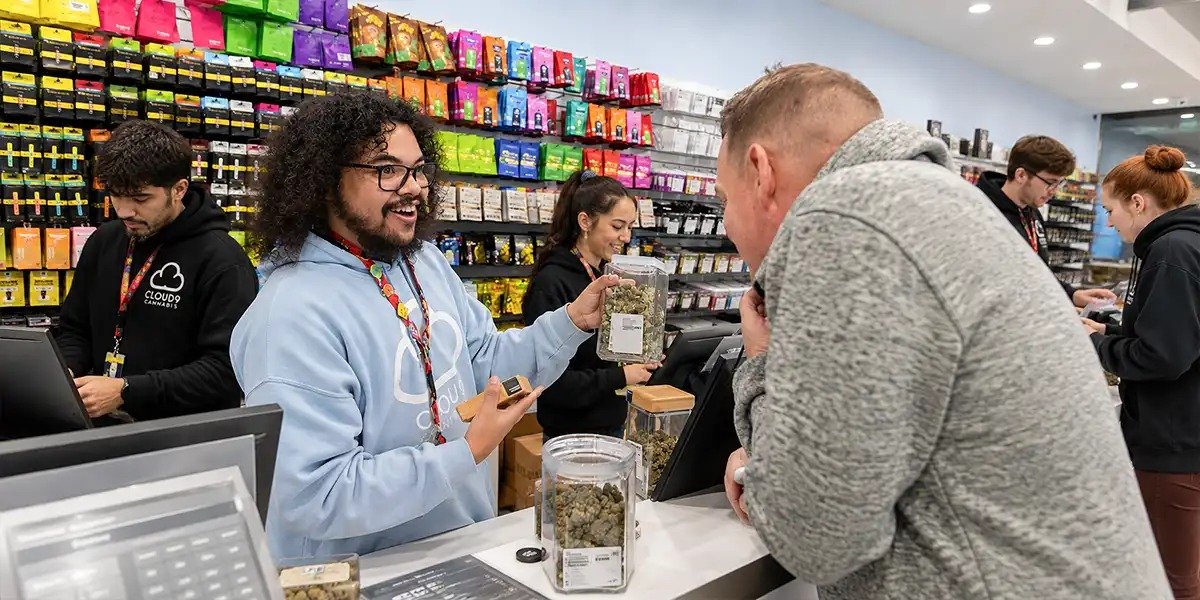
The cannabis retail industry has created thousands of jobs across legal markets, offering opportunities for both entry-level employees and experienced professionals. Many people begin their journey as budtenders, while others work toward management positions that involve leadership, operations, compliance, and business performance.
Understanding the differences between these roles can help professionals make informed career decisions. Whether you’re evaluating a budtender career path or considering management opportunities, knowing the responsibilities, earning potential, and advancement possibilities associated with each position is essential.
Why Cannabis Retail Careers Continue to Grow
As the cannabis industry matures, dispensaries are operating more like sophisticated retail businesses than simple storefronts. Customer expectations have increased, regulations have become more complex, and operators are placing greater emphasis on profitability and operational efficiency.
This shift has expanded hiring across multiple functions, including:
- Retail sales
- Customer service
- Inventory management
- Compliance
- Team leadership
- Reporting and analytics
- Store operations
For professionals interested in cannabis retail careers, this means there are now more advancement opportunities than ever before across the broader cannabis workforce ecosystem.
Budtender vs Dispensary Manager: Understanding the Difference
Although both positions work within the same retail environment, their responsibilities differ significantly. The comparison below highlights the primary distinctions between these roles and shows how responsibilities expand as professionals move into management positions.
Understanding these differences can help candidates identify where they fit today and where they may want their career to go in the future.
| Category | Budtender | Dispensary Manager |
| Primary Focus | Customer service and product guidance | Store performance and leadership |
| Customer Interaction | Very High | Moderate |
| Team Management | Minimal | Extensive |
| Compliance Responsibility | Follows procedures | Enforces procedures |
| Inventory Involvement | Basic handling | Inventory oversight |
| Reporting Duties | Limited | Frequent |
| Decision-Making Authority | Low | High |
| Career Level | Entry-Level | Mid-to-Senior Level |
The discussion around budtender vs dispensary manager often comes down to responsibility. Budtenders focus primarily on customers and sales, while managers oversee the systems, people, and processes that keep a dispensary operating successfully.
What It’s Really Like to Be a Budtender
A budtender’s day is rarely the same from one shift to the next.
One customer may need guidance on product categories, while another might have questions about potency, consumption methods, or available brands. Throughout the day, budtenders balance customer service, compliance requirements, and sales responsibilities.
A typical shift may involve:
- Greeting customers
- Verifying identification
- Recommending products
- Processing transactions
- Restocking inventory
- Maintaining compliance standards
- Answering product questions
Because budtenders spend so much time interacting with customers, they often develop strong communication and relationship-building skills early in their careers.
For many professionals, this role serves as the first step in a long-term budtender career path.
Inside the Role of a Dispensary Manager
While budtenders work directly with customers, managers focus on the broader operation. Their attention is divided between employees, inventory, compliance, scheduling, reporting, and business performance.
A dispensary manager’s responsibilities often include:
Leading the Team
Managers train employees, provide coaching, address performance issues, and help create a positive workplace culture.
Monitoring Inventory
Inventory discrepancies can quickly become serious problems in regulated markets. Managers help ensure products are tracked accurately and procedures are followed consistently.
Maintaining Compliance
Regulatory compliance remains one of the most important responsibilities within cannabis retail operations.
Improving Store Performance
Managers review sales data, staffing levels, customer feedback, and operational metrics to identify opportunities for improvement.
This broader scope is one reason the budtender vs dispensary manager comparison often reflects two very different stages of a professional career.
Salary Expectations Across the Career Journey
Compensation is often a major consideration when evaluating career growth opportunities. While salaries vary by market, employer, and experience level, professionals who move into management roles generally see significant increases in earning potential. The table below provides estimated salary ranges commonly found across legal cannabis markets in North America.
These figures are intended as general benchmarks rather than guaranteed compensation levels.
| Position | Typical Annual Salary Range |
| Budtender | $30,000 – $45,000 |
| Senior Budtender | $40,000 – $55,000 |
| Assistant Manager | $45,000 – $65,000 |
| Dispensary Manager | $60,000 – $95,000+ |
| Regional Manager | $90,000 – $130,000+ |
The difference in dispensary manager salary potential often reflects the additional responsibility associated with leadership, staffing, inventory management, and operational performance.
The Typical Budtender Career Path
One reason cannabis retail continues attracting talent is the visibility of career progression. Unlike some retail environments where advancement can feel uncertain, many dispensaries have clearly defined leadership tracks.
A typical budtender career path often looks like this:
Step 1: Budtender
Develop customer service skills, product knowledge, and compliance awareness.
Step 2: Lead Budtender
Assist with employee training and support daily store operations.
Step 3: Assistant Manager
Begin handling scheduling, inventory support, reporting, and team coordination.
Step 4: Dispensary Manager
Take ownership of store performance, employee management, compliance, and operational outcomes.
Step 5: Multi-Store Leadership
Oversee multiple locations and contribute to broader business strategy.
This progression helps explain why many professionals view retail positions as long-term career opportunities rather than temporary jobs.
Skills That Separate Future Managers From Everyone Else
Not every strong budtender becomes a successful manager. The transition requires a different set of capabilities. Employees who advance into leadership roles often excel in the following areas:
Communication
Managers spend much of their time providing direction, resolving issues, and maintaining alignment across teams.
Accountability
Leadership requires ownership of outcomes, not just individual tasks.
Problem-Solving
Unexpected challenges happen regularly in retail operations. Managers must make decisions quickly and effectively.
Organization
Scheduling, reporting, inventory management, and compliance all require attention to detail.
Operational Awareness
Future managers understand how staffing, inventory, sales, and customer experience work together to impact business performance.
These skills often matter more than product knowledge when promotion decisions are made.
Challenges and Rewards: A Realistic Comparison
Every role has advantages and drawbacks. Understanding both sides helps professionals set realistic expectations.
Budtender Advantages
- Frequent customer interaction
- Strong product education opportunities
- Lower responsibility levels
- Accessible entry point into the industry
Budtender Challenges
- Lower compensation
- Limited authority
- Repetitive customer-facing tasks
- Fewer strategic responsibilities
Manager Advantages
- Higher earning potential
- Leadership experience
- Greater influence on business outcomes
- Expanded career opportunities
Manager Challenges
- Staffing responsibilities
- Compliance oversight
- Performance accountability
- Operational pressure
When evaluating budtender vs dispensary manager opportunities, understanding these trade-offs is often just as important as comparing salaries.
How Hiring Priorities Are Changing in Cannabis Retail
A few years ago, many operators focused primarily on product knowledge when hiring. Today, the priorities are different.
Dispensaries increasingly value candidates who can:
- Deliver excellent customer experiences
- Follow operational procedures
- Support compliance requirements
- Analyze performance data
- Work effectively within teams
- Contribute to long-term business growth
This shift is creating greater demand for professionals who understand both retail service and business operations.
As a result, many of the strongest cannabis retail careers now combine customer-facing experience with leadership and operational skills.
Is Management the Right Next Step for You?
Before pursuing a management position, it’s worth considering what motivates you professionally. If you enjoy educating customers and discussing products, remaining customer-facing may be highly rewarding.
If you find yourself interested in:
- Leading teams
- Solving operational problems
- Improving business performance
- Training employees
- Analyzing reports
- Driving store results
Then management may be a natural next step. The most successful managers often begin developing these skills long before receiving their first leadership title.
The Future of Cannabis Retail Careers
As markets mature, dispensaries are becoming increasingly focused on efficiency, customer retention, compliance, and profitability. This evolution is creating opportunities for professionals who can combine customer service expertise with operational knowledge.
The future of cannabis retail careers will likely involve greater specialization, stronger leadership development programs, and increased demand for managers who understand both retail performance and business operations. For ambitious professionals, the opportunities extend well beyond the sales floor.
Conclusion
The comparison between a budtender vs dispensary manager is ultimately about career growth and professional goals. Budtenders play a vital role in educating customers, supporting sales, and creating positive retail experiences. Dispensary managers, meanwhile, oversee team performance, inventory controls, compliance requirements, and overall store operations. Both positions contribute directly to the success of cannabis retailers, but they require different skills and levels of responsibility.
For professionals interested in long-term advancement, the budtender career path offers a clear route toward leadership. As cannabis retail businesses continue to mature, employees who develop communication, operational, and management skills will be positioned for greater opportunities. Whether you remain customer-focused or pursue leadership roles, the industry continues to offer meaningful career progression.
FAQs
1. What is the main difference between a budtender and a dispensary manager?
Budtenders focus on customer service, product recommendations, and daily sales activities. Dispensary managers oversee staff, inventory, compliance, scheduling, and store performance. The manager role involves greater leadership responsibility and operational decision-making.
2. Is becoming a manager common in a budtender career path?
Yes. Many professionals start as budtenders and progress into lead, assistant manager, and management roles. Building experience in customer service, compliance, inventory, and team coordination often supports career advancement.
3. What skills help budtenders get promoted?
Strong communication, reliability, leadership potential, operational awareness, and problem-solving abilities often help employees stand out. Employers also value individuals who consistently demonstrate accountability and initiative.
4. What is the average dispensary manager salary?
The average dispensary manager salary depends on location, company size, and experience. In many legal markets, annual compensation commonly ranges from $60,000 to $95,000 or more.
5. Are cannabis retail careers good long-term opportunities?
Yes. As the industry grows, professionals can advance into leadership, compliance, operations, inventory management, training, and multi-store management positions, creating numerous long-term career opportunities.
6. Do dispensary managers need previous cannabis experience?
Not always. Many employers value retail management, hospitality, and operational leadership experience. Transferable management skills can often be just as important as direct cannabis industry experience.
7. What are the biggest challenges managers face?
Managers commonly deal with staffing issues, inventory controls, regulatory compliance, performance expectations, and customer satisfaction. Balancing these responsibilities requires strong organizational and leadership skills.
8. Can someone build a career without becoming a manager?
Absolutely. Some professionals specialize in product education, training, inventory management, compliance, or customer experience. Management is only one of several potential advancement paths within the industry.
9. Which role offers better long-term growth opportunities?
Management positions generally provide greater earning potential and broader advancement opportunities. However, the best choice depends on an individual’s interests, strengths, and long-term professional goals.