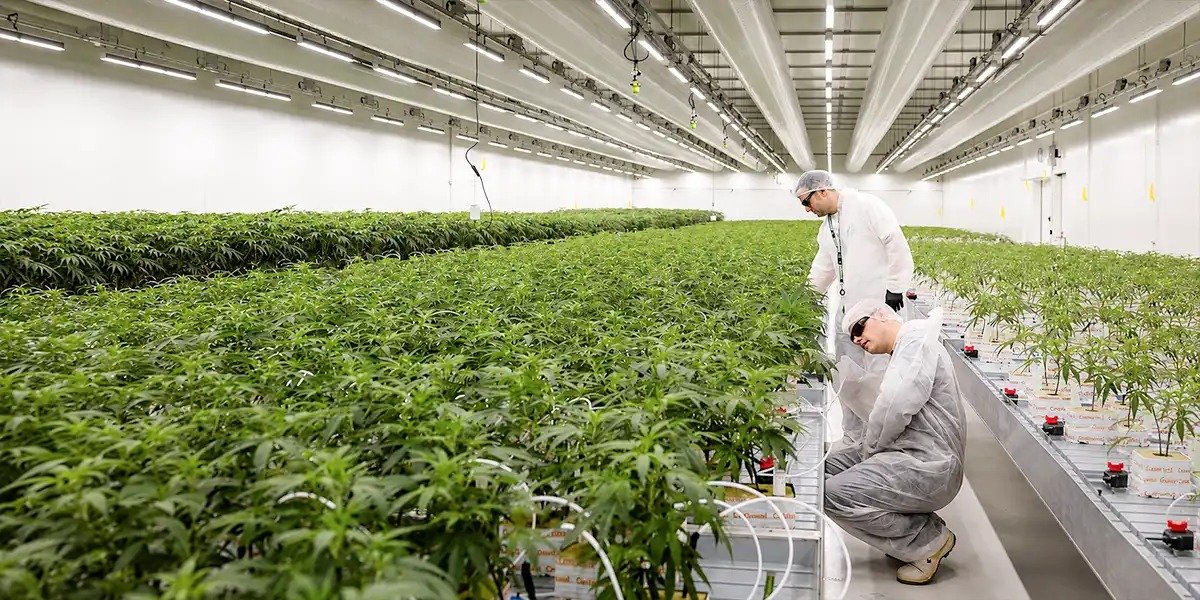
Finding the right cultivation team has become one of the biggest challenges facing cannabis operators in 2026. As facilities expand, compliance requirements evolve, and production targets become more demanding, hiring decisions can directly affect yield quality, operational efficiency, and profitability.
Successful cultivation hiring goes beyond filling open positions. Operators need people who understand plant care, can follow processes consistently, and contribute to a productive growing environment. The strongest cultivation teams are built through thoughtful hiring, structured onboarding, and long-term workforce planning.
Why Cultivation Hiring Has Become More Challenging
A cultivation facility can invest in premium genetics, advanced environmental controls, and sophisticated irrigation systems, yet still struggle if the wrong people are managing day-to-day operations.
The industry’s labor challenges have changed significantly over the past few years. Many operators are no longer simply looking for workers. They are looking for dependable team members who can maintain quality standards, follow compliance protocols, and adapt to evolving cultivation practices.
Several factors are making hiring more complex:
- Increased competition for experienced cultivation talent
- Growing compliance responsibilities
- Expansion into new markets
- Rising labor costs
- Greater focus on operational efficiency
- Higher expectations around product consistency
As a result, many companies are refining their hiring processes to improve both recruitment and retention outcomes.
What Makes a Great Cultivation Employee?
Not every successful cultivation employee arrives with years of industry experience. Some of the strongest team members develop quickly because they possess the right traits and work habits.
Technical Competence
Employees should understand fundamental cultivation practices such as:
- Plant maintenance
- Irrigation procedures
- Pest monitoring
- Environmental controls
- Harvest preparation
- Post-harvest handling
Technical skills can often be taught, but a willingness to learn is essential.
Reliability and Consistency
Cultivation schedules do not pause because a team member misses a shift. Watering, monitoring, trimming, and harvesting activities must happen on time. Reliable employees often outperform more experienced candidates who struggle with consistency.
Compliance Awareness
Cannabis remains a highly regulated industry. Employees who understand the importance of documentation, inventory accuracy, and standard operating procedures can help reduce operational risk.
Attention to Detail
Small mistakes can become expensive problems inside a cultivation facility. Employees who notice changes in plant health, environmental conditions, or workflow issues often contribute significant value over time.
The Most Common Hiring Mistakes Cannabis Operators Make
Many hiring problems can be traced back to a handful of recurring mistakes.
1. Hiring Too Quickly
When facilities experience labor shortages, managers sometimes rush hiring decisions. A fast hire may solve an immediate staffing problem but create a larger performance issue later.
2. Prioritizing Experience Over Work Ethic
Years of cultivation experience do not always translate into strong performance. Candidates with strong accountability, communication skills, and a willingness to learn often become valuable long-term employees.
3. Overlooking Cultural Fit
Cultivation teams spend long hours working together in demanding environments. Employees who fit the team’s work style and values often contribute more positively to productivity and retention.
4. Weak Onboarding Processes
Even highly qualified employees can struggle without clear expectations.
Structured onboarding helps new hires understand procedures, compliance requirements, and performance expectations.
Building a Cultivation Team by Growth Stage
The type of cultivation staff required often depends on the size and maturity of the operation. A startup grow has different workforce needs than a multi-facility operator managing production across several locations.
The table below highlights how staffing priorities typically evolve as cultivation businesses scale.
| Business Stage | Priority Hires | Primary Objective |
| Startup Cultivation Facility | Cultivation Technician | Establish consistency and plant health |
| Expanding Grow Operation | Lead Grower, Cultivation Supervisor | Improve workflow management |
| Multi-Room Facility | Cultivation Manager | Increase operational efficiency |
| Multi-Facility Operator | Director of Cultivation | Standardize performance across sites |
Understanding these workforce needs can help operators avoid over-hiring or under-hiring during key growth phases.
How to Evaluate Candidates Beyond the Resume
Resumes rarely tell the full story. Some candidates interview exceptionally well but struggle in production environments. Others may have limited cannabis experience yet demonstrate the discipline and adaptability needed to succeed. Instead of focusing exclusively on previous titles, consider evaluating candidates through:
Practical Assessments
Ask candidates to walk through common cultivation scenarios.
Examples include:
- Identifying plant stress indicators
- Explaining irrigation decisions
- Discussing harvest preparation steps
- Responding to compliance concerns
Behavioral Questions
Questions about past experiences often reveal more than hypothetical situations.
For example: Tell me about a time you identified a problem before it became a larger issue.
This type of question can provide insight into awareness, accountability, and problem-solving skills.
Reference Checks
Reference conversations frequently uncover information that interviews cannot.
Focus on reliability, teamwork, attendance, and coachability.
Salary Expectations for Cannabis Cultivation Roles in 2026
Compensation remains an important part of cannabis farm hiring. While wages vary by location, facility size, and experience level, operators should understand the market ranges for common cultivation positions.
Offering competitive compensation can improve both recruitment success and employee retention.
| Role | Typical Annual Salary Range |
| Cultivation Technician | $35,000 – $50,000 |
| Senior Cultivation Technician | $45,000 – $65,000 |
| Lead Grower | $60,000 – $90,000 |
| Cultivation Manager | $85,000 – $130,000 |
| Director of Cultivation | $120,000 – $200,000+ |
Salary alone does not determine hiring success. Growth opportunities, workplace culture, and training programs often influence candidate decisions as much as compensation.
Why Retention Matters More Than Hiring
Many operators focus heavily on recruitment but overlook retention. Replacing experienced cultivation staff can be costly. New hires require onboarding, training, supervision, and time to become fully productive.
Consider two cultivation facilities:
Facility A hires aggressively but experiences frequent turnover.
Facility B invests in onboarding, coaching, and employee development.
Over time, Facility B typically develops stronger operational consistency because experienced employees remain within the organization.
Retention benefits include:
- Reduced hiring costs
- Better knowledge retention
- Improved productivity
- Stronger workplace culture
- More predictable operational performance
For many operators, improving retention can have a larger impact than increasing recruitment efforts.
How Workforce Partners Can Support Cultivation Staffing
Labor planning has become increasingly important as cultivation businesses expand.
Many operators experience staffing fluctuations during:
- Harvest periods
- Facility expansions
- New market launches
- Production increases
- Seasonal demand changes
This is one reason cultivation staffing strategies have evolved beyond traditional recruitment models.
Workforce partners can help operators:
- Access specialized talent
- Improve hiring speed
- Support workforce planning
- Reduce administrative burden
- Scale teams more efficiently
Rather than viewing staffing as a reactive process, successful operators often treat workforce planning as a long-term operational strategy.
Signs Your Staffing Strategy Needs Improvement
Not every staffing problem is obvious.
Sometimes operational issues are actually workforce issues in disguise.
Review the checklist below:
Warning Signs
- High turnover among cultivation employees
- Frequent production delays
- Over time, becoming routine
- Difficulty filling cannabis cultivation jobs
- Quality inconsistencies between harvests
- Excessive management oversight
- Employee burnout
Repeated hiring cycles for the same positions
If multiple items on this list sound familiar, it may be time to reassess your hiring and workforce planning approach.
Conclusion
Building a successful cultivation team requires more than simply filling open positions. The most effective operators hire with long-term performance in mind, focusing on reliability, technical competence, compliance awareness, and cultural fit. While recruitment remains important, retention often has a greater impact on operational consistency and production outcomes.
As competition for talent continues to grow, companies that invest in structured hiring processes, employee development, and workforce planning will be better positioned for success. Whether you’re expanding a cultivation facility or refining an existing team, thoughtful hiring decisions can improve productivity, reduce turnover, and strengthen overall business performance. In an increasingly competitive market, strong cultivation staffing practices can become a meaningful operational advantage.
FAQs
1. What skills are most important when hiring cultivation staff?
The most valuable skills include attention to detail, reliability, plant care knowledge, compliance awareness, teamwork, and adaptability. While technical cultivation experience is beneficial, many operators also prioritize candidates who demonstrate accountability and a willingness to learn.
2. How difficult is cannabis farm hiring in 2026?
Many operators report increased competition for experienced cultivation professionals. As facilities expand and compliance requirements grow, businesses often face challenges attracting and retaining qualified candidates, particularly for leadership and specialized cultivation positions.
3. What positions are included in cannabis cultivation jobs?
Cannabis cultivation jobs include cultivation technicians, trimmers, irrigation specialists, integrated pest management technicians, lead growers, cultivation managers, and directors of cultivation. Each role contributes to maintaining plant health, production quality, and operational efficiency.
4. Should operators prioritize experience or cultural fit?
Both matter, but cultural fit is often overlooked. Employees who align with company values, communicate effectively, and work well within existing teams frequently achieve stronger long-term performance than candidates chosen solely for experience.
5. What causes high turnover in cultivation teams?
Common causes include inadequate onboarding, poor management, limited career advancement opportunities, burnout, inconsistent scheduling, and compensation concerns. Addressing these issues can significantly improve employee retention and workplace stability.
6. How can operators improve cultivation staffing outcomes?
Structured hiring processes, practical assessments, clear onboarding programs, ongoing training, and competitive compensation can improve cultivation staffing outcomes. Successful operators also focus on retention strategies alongside recruitment efforts.
7. Are cannabis grower jobs expected to remain in demand?
Yes. As legal markets continue to mature and production capacity expands, demand for qualified cultivation professionals is expected to remain strong. Experienced growers and operational leaders are particularly valuable in larger facilities.
8. What salary range is typical for cannabis grower jobs?
Compensation varies by location and experience. Entry-level cultivation technicians may earn between $35,000 and $50,000 annually, while cultivation managers and directors can earn significantly higher salaries depending on facility size and responsibilities.
9. Why is workforce planning important for cultivation facilities?
Workforce planning helps operators anticipate staffing needs, reduce labor shortages, improve productivity, and maintain consistent production schedules. A proactive approach often prevents disruptions that can affect yields, quality, and profitability.